Science
Customizable nanoparticles show potential for delivering personalized cancer vaccines
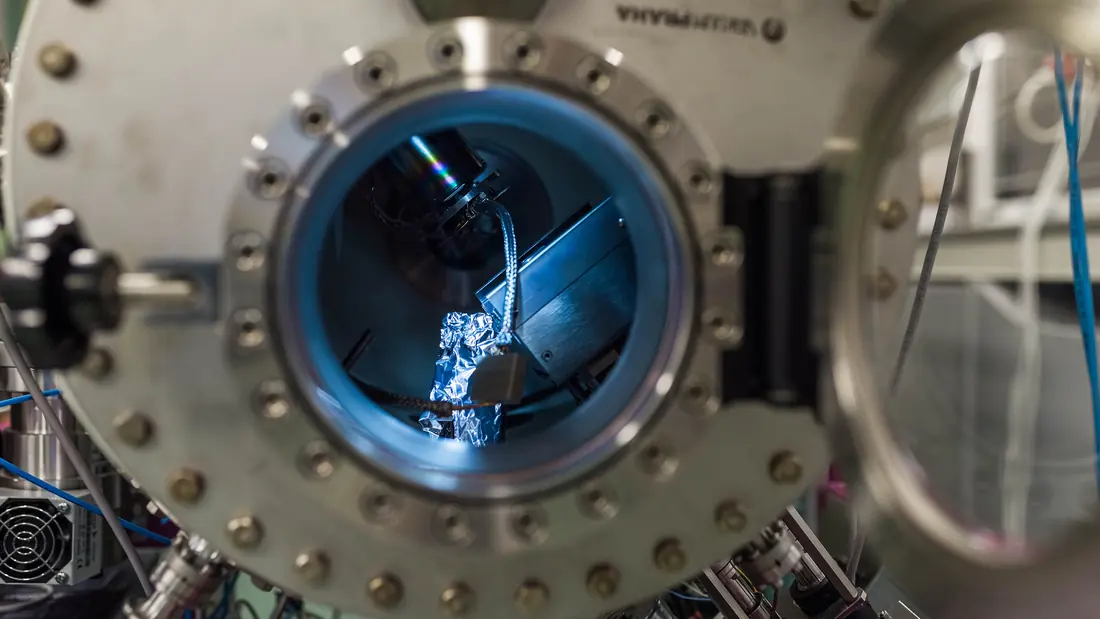
A nanoscale particle with a unique structure, developed at MIT, holds potential as a customizable delivery vehicle for personalized cancer vaccines. The backbone of the vaccine is a modified, harmless bacteriophage called M13…
- Published
- (1 h ago)
- Outlet
- Phys.org
- Section
- Science
- Length here
- Headline and 33-word snippet. The full article is at the source.
More from Phys.org and around the same time
 Discovery of bromochloropyrene reveals unexpected biological propertiesEnvironmental pollutants containing chlorine or bromine have been widely studied, but compounds containing both elements have remained largely unexplored. Researchers have now detected bromochloropyrene in industrial soils and…Researchers create light-activated cages for 'protein killer' moleculesResearchers have created a molecular "cage" that keeps protein-degrading drug molecules inactive until they are exposed to low-energy red light. The technology, called RuPHOTACs, controls when and where these molecules become…Grades are not comparable across schools in Sweden, says researcherGrades from compulsory school determine which pupils are accepted into popular upper secondary programs. A new thesis from Uppsala University shows that pupils at for-profit independent schools have, on average, higher grades…Quantum skyrmions outlast entanglement, hinting at more resilient networksQuantum networks could one day connect quantum computers into more powerful systems and enable new forms of secure communication. But a fundamental obstacle stands in the way: Quantum information is extraordinarily fragile, and…Scientists find that a 10-millisecond flash could help build more sensitive gas sensorsNitrogen dioxide is a harmful gas that requires sensitive detection. Researchers used intense light pulses lasting 10 milliseconds to make molybdenum disulfide flakes and anchor isolated metal atoms in one step. Adding platinum…Personal stories offer new insights into stuttering therapy, researchers findTraditional speech-language therapy for people who stutter has largely operated under a medical model focused on eliminating dysfluency—breaks in the normal rhythm of speech. But for Rodney Gabel, a professor of speech-language…
This page holds the headline and a short snippet as published by Phys.org, whose feed they came from. The story itself, the photography and the rights stay with them, and the button above goes straight to their site. We keep this page so the headline has a stable address and a record of when it ran.