Science
Earth may have formed much of its water as the planet grew
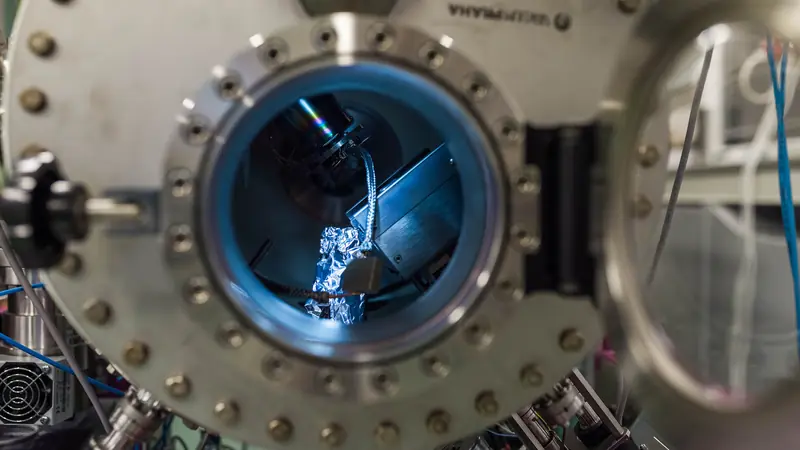
Earth may have produced much of its water during the planet's formation, as rocky pebbles reacted with the hydrogen-rich atmosphere surrounding the young planet, according to new research published in Nature Geoscience. The…
- Published
- (1 h ago)
- Outlet
- Phys.org
- Section
- Science
- Length here
- Headline and 33-word snippet. The full article is at the source.
More from Phys.org and around the same time
 Ocean warming and herbivorous fish grazing drive kelp forest collapse along Japan's Izu PeninsulaKelp forests, ecosystems formed by large brown seaweeds in coastal waters, provide habitats for numerous fish and invertebrates and are vital to coastal productivity and carbon cycling. However, in recent years, kelp forests have…Metal-free magnetic sensor can be safely implanted for wireless monitoringResearchers in the U.S. and China have created a biocompatible, metal-free magnet that can be safely implanted and generate signals from deep inside the body. Led by Wubin Bai at the University of North Carolina, the team…New study reveals behavioral shift in southern right whales' selection of nursing sitesAustralia's southern right whale (Eubalaena australis) population was nearly wiped out by whaling in the 1800s. Since whaling of the species was banned in the 1970s, the number of mother-calf pairs that visit Australia each…Avian influenza threatens vulture populations worldwideVultures are one of the most threatened groups of birds in the world. Currently, at least 16 of the 23 species of vulture are of conservation concern, largely as a result of poisoning and other threats due to human activity.Mapping the green transition of Asia-Pacific economiesCountries in the Asia-Pacific can accelerate the shift to clean energy while building competitive local industries as long as policies don't slow access to affordable technologies, a new report has found.Greenhouse gases hit record highs, yet againLevels of carbon dioxide (CO₂) and other major greenhouse gases in the atmosphere reached unprecedented highs in 2025, locking in more long-term warming for the planet, according to a new report from the World Meteorological…
This page holds the headline and a short snippet as published by Phys.org, whose feed they came from. The story itself, the photography and the rights stay with them, and the button above goes straight to their site. We keep this page so the headline has a stable address and a record of when it ran.