Science
Engineered optical layers reshape how ultrathin gold films break apart under laser light
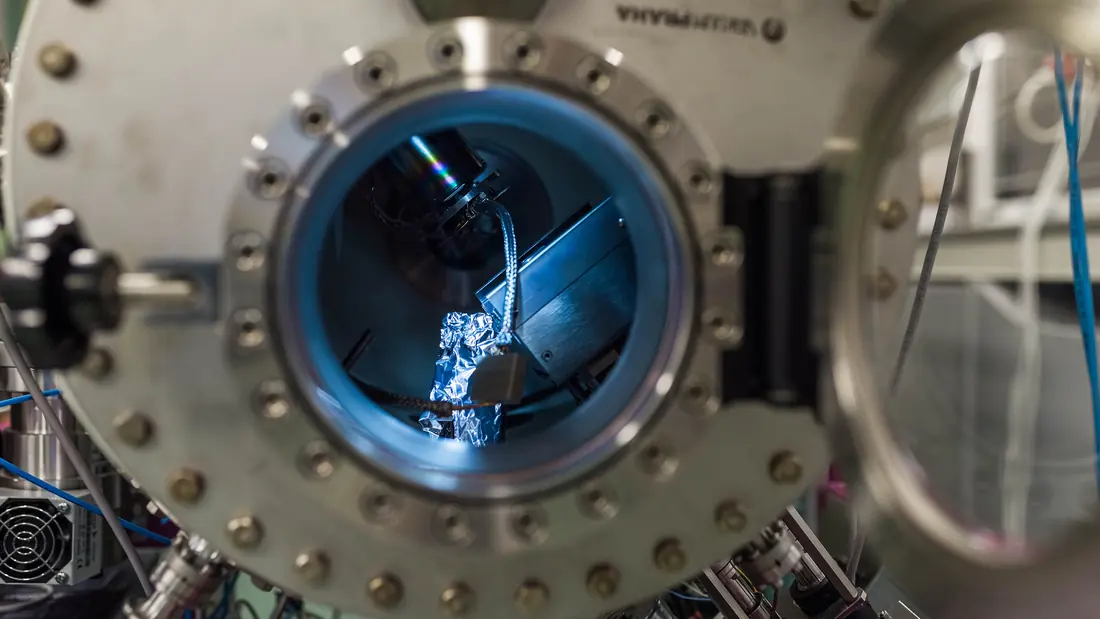
Dewetting of thin films is a phenomenon in which heat or laser irradiation destabilizes a continuous film, causing it to retract into nanoscale island-like structures. Compared to thermal dewetting, laser-induced dewetting offers…
- Published
- (1 h ago)
- Outlet
- Phys.org
- Section
- Science
- Length here
- Headline and 32-word snippet. The full article is at the source.
More from Phys.org and around the same time
 CubeSat achieves challenging laser link to groundDespite the complexity of the operation, ERMIS-3, an 8U CubeSat developed by the National and Kapodistrian University of Athens, has established a link with an optical ground station, marking an important step in validating…Volcanic eruptions in the tropics are a major factor in Earth's thermostatVolcanic eruptions are known for their spectacular visual displays of vivid lava, as well as the devastating impacts they can have on the environment and the communities who live nearby. But they can also have far-reaching…Automated platform optimizes enzyme production using cell-free protein synthesis and AI-driven designEnzymes are essential to a wide range of industrial processes. As biocatalysts, they play a key role in producing active pharmaceutical ingredients, specialty chemicals and ingredients for cosmetics, besides being vital to the…New study explores how incomplete understanding fuels scientific progressScientists spend their careers trying to understand how the world works. Yet even in their own specialties, complete understanding may remain elusive. That idea lies at the center of a new article by Richard Shiffrin…Beyond visitor numbers: Understanding overtourism risk in suburban TokyoOvertourism has become a growing concern in popular tourist destinations, where large numbers of visitors can put pressure on local communities and attractions. However, not all destinations face the same challenges. While busy…Single molecules could provide the building blocks for future quantum networksQuantum computers rely on qubits as their units of information. To connect them into a larger network across long distances, they need to transmit quantum information using light.
This page holds the headline and a short snippet as published by Phys.org, whose feed they came from. The story itself, the photography and the rights stay with them, and the button above goes straight to their site. We keep this page so the headline has a stable address and a record of when it ran.