Science
Humidity can change how smoke pollutants transform after dark
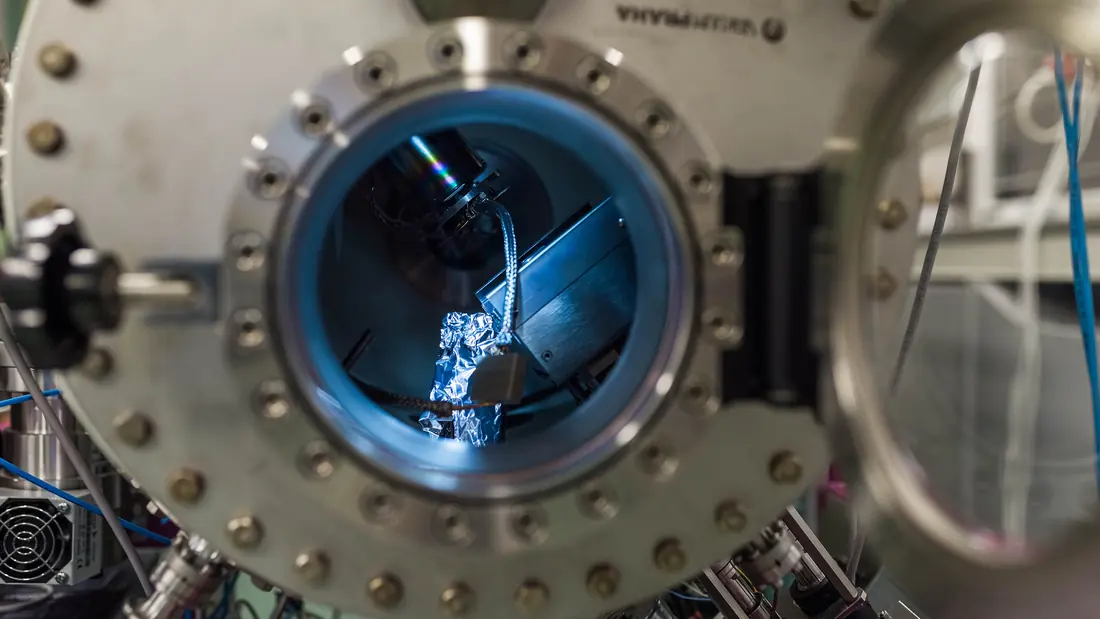
What happens to smoke particles after sunset can depend strongly on something as familiar as the amount of water in the air. New research from Md. Sohel Rana and Marcelo I. Guzman at the University of Kentucky shows that relative…
- Published
- (1 h ago)
- Outlet
- Phys.org
- Section
- Science
- Length here
- Headline and 40-word snippet. The full article is at the source.
More from Phys.org and around the same time
 Medieval ghost stories featured rotten flesh, the walking dead and spoon‑stealing spiritsStories of wandering spirits and the restless dead were common in the Middle Ages. These ghostly encounters were recorded in a wide variety of medieval literature.Rarely seen deep-sea barreleye fish filmed in 4KDuring a recent expedition aboard the research vessel David Packard, MBARI scientists encountered a rarely seen barreleye fish (Macropinna microstoma). This sighting is MBARI's 11th observation of this unique deep-sea fish with a…Drones could help weather forecasters more accurately predict winter stormsWeather drones are being tested to help update forecasts of extreme weather more quickly, and could help us prepare earlier for upcoming winter storms.Controlling where gibberellin acts reveals how the plant hormone coordinates root growthPlant hormones influence growth and development by acting on specific cells and tissues. However, determining precisely where and when a hormone needs to act has been challenging because conventional hormone treatment generally…150-year-old mystery about the identity of an 'extinct' giant crane solvedScientists at Bournemouth University (BU) have solved a 150-year-old mystery about the identity of an extinct giant crane that lived in Europe over 20,000 years ago. The work is published in the journal Royal Society Open Science.New tissue atlas aims to help AI understand cancerHow cells are arranged within tissue can reveal as much about disease as the cells themselves. When doctors examine a cancer tumor, for example, they don't just look at which cells are present; they also want to know how those…
This page holds the headline and a short snippet as published by Phys.org, whose feed they came from. The story itself, the photography and the rights stay with them, and the button above goes straight to their site. We keep this page so the headline has a stable address and a record of when it ran.