Science
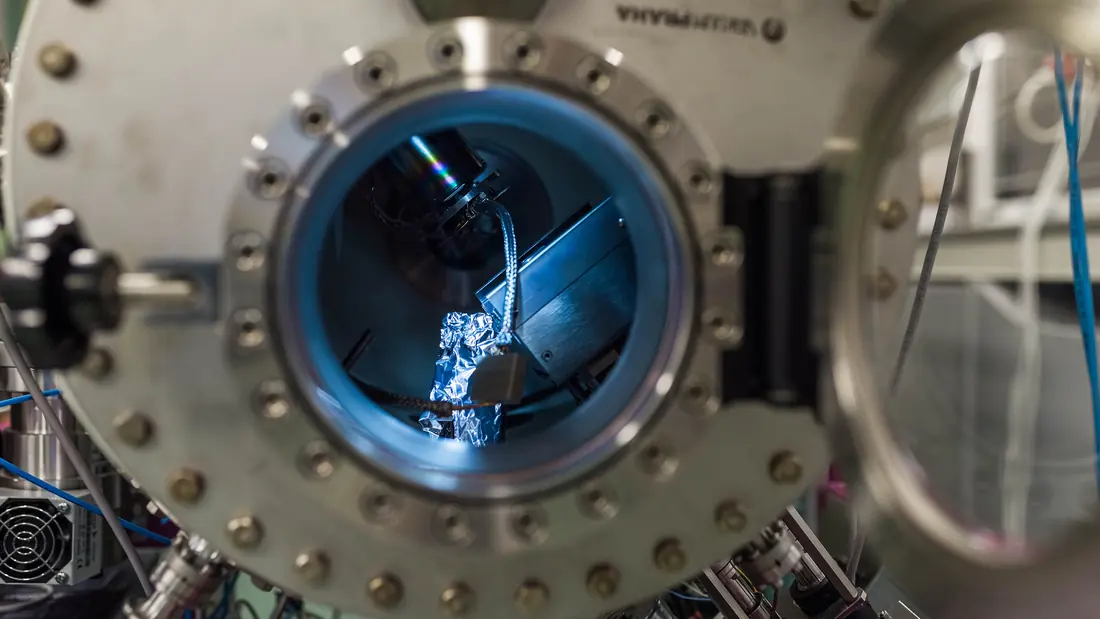
Machine learning helps track semiconductor defects under more realistic temperature conditions
All materials contain inherent defects. These are not always harmful, since they can be used to engineer and introduce certain properties into a material. However, it is crucial to understand how they function and how they affect…
- Published
- (1 h ago)
- Outlet
- Phys.org
- Section
- Science
- Length here
- Headline and 37-word snippet. The full article is at the source.
More from Phys.org and around the same time
 The human surfaceome: AI flags potential cell surface drug targets overlooked by major databasesMore than 65% of approved medicines work by binding to proteins on the surface of human cells. Yet scientists developing new treatments face a fundamental problem: Major biological databases disagree about which proteins are…The 'shape' of gene expression: Identifying genes that may share roles across speciesMuch of what we know about biology comes from animal models, particularly mice. Applying these insights to humans, however, is not always straightforward. For example, some of the genes important for the formation of germ cells…Nature finance needs a fundamental rethink, researchers argueThe authors call on governments, investors and conservation organizers to reimagine nature finance based on a central tenet: raising funds should be a means to an end, not an end in itself.How the quantum vacuum perturbs atoms, could shrink black holes and may have helped form galaxiesThe word "vacuum" may conjure the image of empty space. Maybe you think of a region far outside the solar system without planets, debris, gas clouds or light. According to quantum theory, however, a vacuum is never truly empty…Detailed images reveal ribosome assembly inside human cells for the first timeFor decades, ribosomes have been under the lens of many scientists. Ribosomes are highly sophisticated and complex molecular machines that allow cells to synthesize proteins. However, putting ribosomes together requires intricate…Eyewitnesses remember feedback better after making an identification, study findsAn eyewitness can tell the truth, believe every word they say and still send an innocent person to prison. A new study by Stephen Charman from FIU's Department of Psychology takes on a question that has challenged the justice…
This page holds the headline and a short snippet as published by Phys.org, whose feed they came from. The story itself, the photography and the rights stay with them, and the button above goes straight to their site. We keep this page so the headline has a stable address and a record of when it ran.