Science
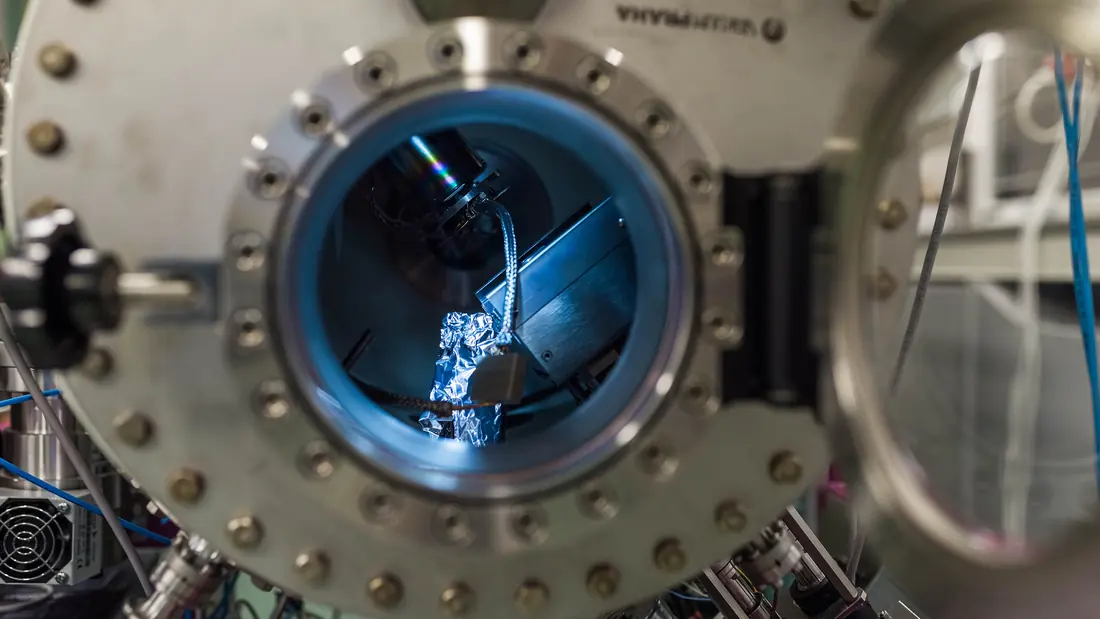
New X-ray method isolates faint signals from water at material surfaces
A research team from Toyohashi University of Technology, the Institute for Molecular Science and the Institute of Science Tokyo, led by Yu Kinjo and professor Ryugo Tero of Toyohashi University of Technology, has developed a new…
- Published
- (1 h ago)
- Outlet
- Phys.org
- Section
- Science
- Length here
- Headline and 36-word snippet. The full article is at the source.
More from Phys.org and around the same time
 Lab-aged microplastics enable tests of interactions with contaminantsA newly published study advances our knowledge of how microplastics may age in the environment and whether they stick to other contaminants as they do so. Microplastics (MPs) are tiny plastic pieces that measure less than 5…New AI tool helps scientists identify bacteria hidden in soilA handful of soil holds a crowded world of bacteria, fungi and other organisms. Scientists can collect their DNA, but much of it remains difficult to identify. Now, researchers at the Hebrew University of Jerusalem and partner…Television gains ground in streaming platform era, study showsA University of Alicante (UA) study of 325 fiction series released in Spain between 2020 and 2024 has concluded that video-on-demand (VOD) platforms have not replaced traditional television. Instead, the two distribution models…New travel tool combines three algorithms to tailor destination recommendationsResearchers have developed a tourist recommendation system combining three algorithms to help travelers find destinations suited to their preferences, budgets and travel routes. Details appear in the International Journal of Work…NASA's new UV space telescope will launch in 2031Most of us could spend our entire lives looking at the night sky and see very few changes. The moon becomes more or less illuminated, the planets drift placidly through the sky, satellites and the ISS intrude for a few moments at…Study: Partisan ties shape how voters view campaign AIAs political campaigns increasingly use artificial intelligence to communicate with voters, questions arise about how the technology influences perceptions of election fairness and trust.
This page holds the headline and a short snippet as published by Phys.org, whose feed they came from. The story itself, the photography and the rights stay with them, and the button above goes straight to their site. We keep this page so the headline has a stable address and a record of when it ran.