Science
New CO₂ sensor combines high sensitivity with a wider measurement range
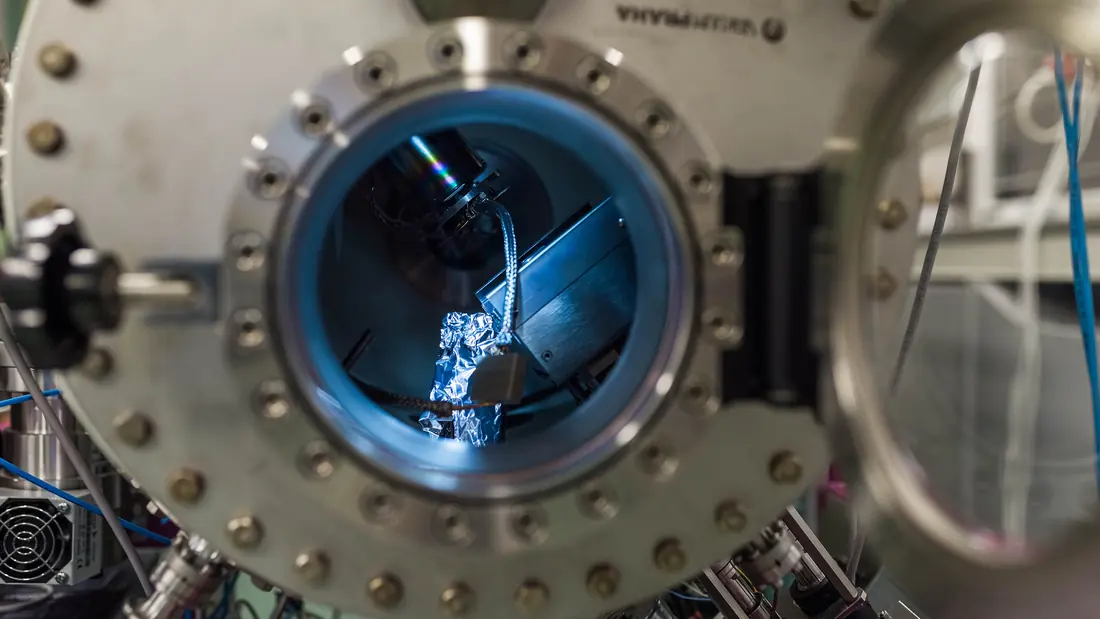
Researchers from the Hefei Institutes of Physical Science (HFIPS) of the Chinese Academy of Sciences (CAS) have developed a carbon dioxide (CO₂) sensor that combines high sensitivity with a wider measurement range.
- Published
- (1 h ago)
- Outlet
- Phys.org
- Section
- Science
- Length here
- Headline and 32-word snippet. The full article is at the source.
More from Phys.org and around the same time
 Why a company donating $20,000 a month counts for more than $240,000 once a year in the eyes of customersPeople tend to think more highly of companies that give to charity on a monthly or weekly basis rather than donating an annual lump sum worth the same amount.A cosmic 'leaf blower': Light-propelled winds help explain early universe's bright galaxiesWhen astronomers looked at photos of the early universe taken by the James Webb Space Telescope, they found something odd: an overabundance of bright galaxies. Based on what they knew about the early universe, such galaxies…Mitigating the ecological consequences of light pollutionLight pollution is one of the fastest-growing and least-regulated environmental changes worldwide. It disrupts biological processes at all levels—from genes to entire ecosystems—and contributes significantly to global…NASA space telescope plunges to Earth after two decades studying cosmic explosionsOne of NASA's premier space telescopes plunged to Earth on Wednesday, ending its 22-year investigation of the universe's biggest explosions.New data infrastructure service strengthens interdisciplinary researchThe "Geolinking Service SoRa" research data infrastructure helps to close a gap in the German research landscape. Many questions—such as those regarding social inequality or environmental justice—can only be answered through…Evolution has repeatedly turned hawkmoth genitals into defensive toolsThe genital structures of male hawkmoths are lifesavers. By rubbing specialized scales on their genitals against parts of their abdomen, the nocturnal insects emit ultrasonic sounds that can potentially scramble the acoustic…
This page holds the headline and a short snippet as published by Phys.org, whose feed they came from. The story itself, the photography and the rights stay with them, and the button above goes straight to their site. We keep this page so the headline has a stable address and a record of when it ran.