Science
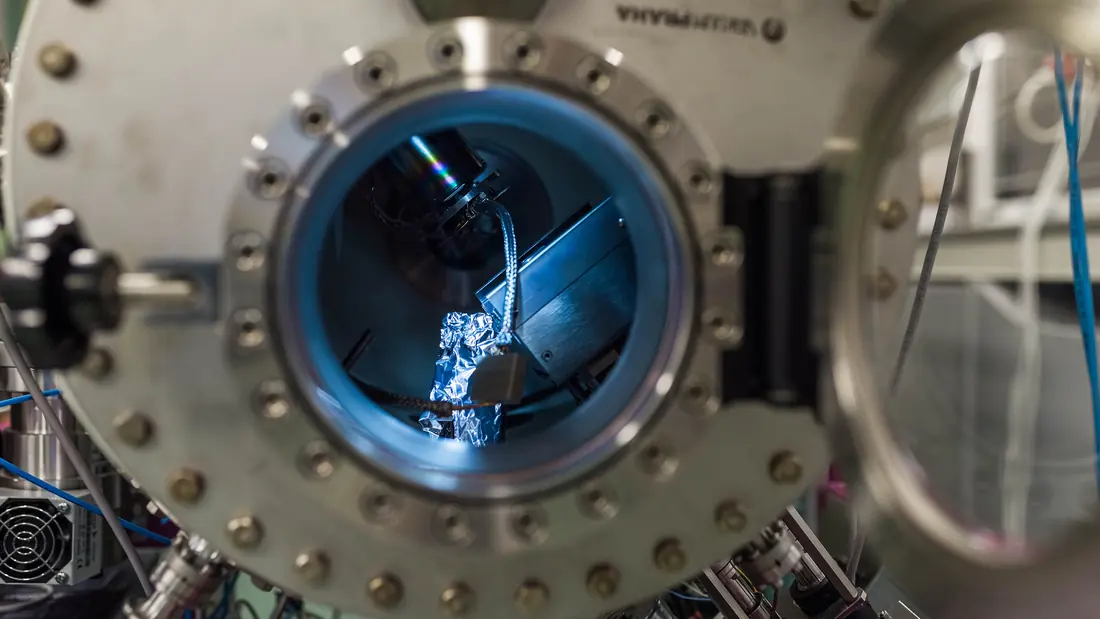
Newly discovered amoeba reproduces at 145 F, breaking heat record for eukaryotic life
Organisms are products of the environments they live and evolve in. While the physical world is governed by universal laws like thermodynamics and gravity, there are few laws of biology. An open question for biologists like me is…
- Published
- (1 h ago)
- Outlet
- Phys.org
- Section
- Science
- Length here
- Headline and 38-word snippet. The full article is at the source.
More from Phys.org and around the same time
 Nanoparticle properties shape protein coats that guide cell entry and immune evasionA new study has revealed molecular rules governing how nanoparticles interact with biological systems, showing how their physicochemical properties shape protein corona (PC) formation and influence biological outcomes. The…Microplastic shape can influence viral disease severity in rainbow troutThe shape of microplastics can influence how deadly a viral infection can be for fish, according to new research from William & Mary's Virginia Institute of Marine Science (VIMS). The findings suggest that some forms of plastic…Ghostly Cat's Head Nebula lurks within sight of NASA's Hubble, WebbNASA's Hubble and James Webb Space Telescopes have captured a hauntingly dynamic star-forming scene, like a spectral form rising out of a cold mist. It lies within the vast Carina Nebula, a diffuse star-forming region located…Fingerprints of the sea: Identifying sharks by their fins aloneEvery oceanic whitetip shark has a fin pattern as unique as a human fingerprint. In a new study published in Marine Biology, FIU researchers identified more than 50 oceanic whitetip sharks by their fins alone using pelagic baited…Snøfrid the Sámi: Matriarch of Norway's royal bloodline?For a long time, some researchers believed that the South Sámi population arrived in Central Norway in the 18th century at the earliest, and that Norwegian farmers were present long before the Sámi. This is known as the…Light-emitting nanoparticles help ultrasound direct gene editing to selected mouse brain regionsScientists can now edit genes in precise locations deep in the brain and body without the use of invasive surgery or implants, thanks to new work from researchers at the Wu Tsai Neurosciences Institute. The team demonstrated its…
This page holds the headline and a short snippet as published by Phys.org, whose feed they came from. The story itself, the photography and the rights stay with them, and the button above goes straight to their site. We keep this page so the headline has a stable address and a record of when it ran.