Science
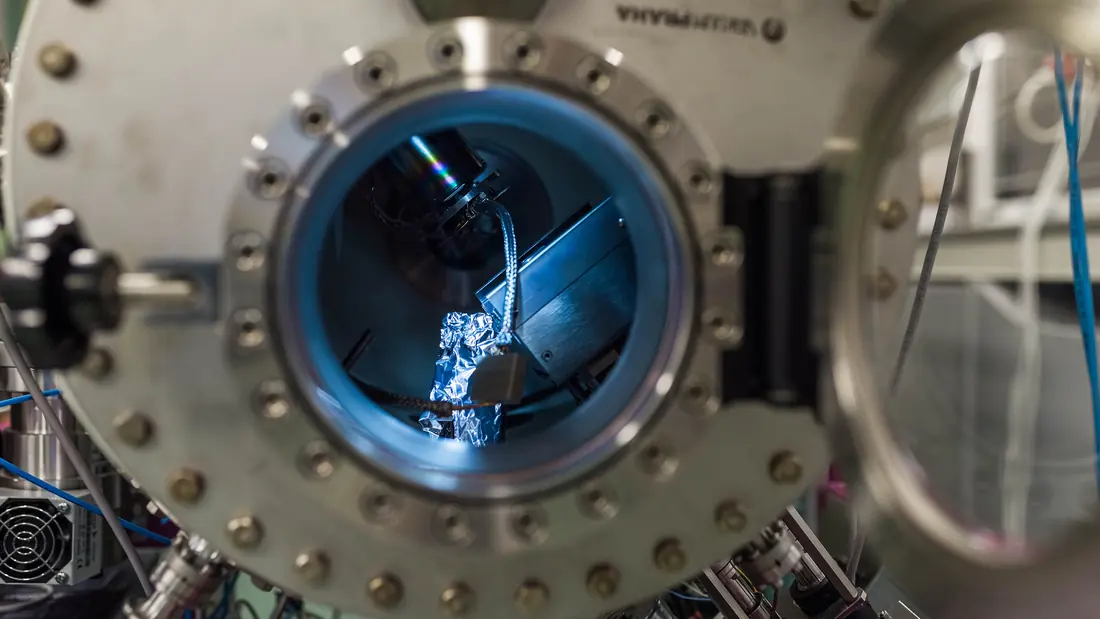
Novel chemical reaction expands options for building DNA-encoded libraries
Finding new drugs requires screening vast numbers of compounds to identify those that interact with a biological target. DNA-encoded libraries (DELs) help researchers explore these large collections by attaching a short DNA…
- Published
- (46 min ago)
- Outlet
- Phys.org
- Section
- Science
- Length here
- Headline and 32-word snippet. The full article is at the source.
More from Phys.org and around the same time
 Why it could be a bad idea to get AI to flirt for youYou finally started an online conversation with a stranger you find attractive, yet you don't really know what to say. They seem happy to talk, but you struggle to find the correct responses. You worry that their patience is…Four new frog species reveal more of Peru's biodiversityScience can't study a species—or unlock its potential to change the world—until people actually know it exists. Four new species of frogs have now been given names, thanks to the efforts of FIU biologist Alessandro Catenazzi.Hauntology examines how what happened in the past—and what didn't—informs the presentThe spooky is a hugely popular phenomenon in British culture, demonstrated in what now seems like a month-long Halloween celebration, a rich tradition of horror cinema and a growing interest in the uncanny. But there are other…How a 'tropical' shortcut could help particle collider experimentsParticle accelerators are expensive. Not just to build or to run, but also to predict the outcome of measurements obtained from them.Survey reveals what students think about AICollege students say they use AI mostly for learning and don't use it to cut corners but think that their peers do, according to the inaugural Dartmouth AI Survey, a new multiyear survey on how AI is shaping students' learning…UTe₂ reveals two flavors of superconductivity under extreme pressureQuantum researchers are searching for a topological superconductor—a material that, if discovered, would allow major advances in quantum computing by combining two distinct "flavors" of superconductivity.
This page holds the headline and a short snippet as published by Phys.org, whose feed they came from. The story itself, the photography and the rights stay with them, and the button above goes straight to their site. We keep this page so the headline has a stable address and a record of when it ran.