Science
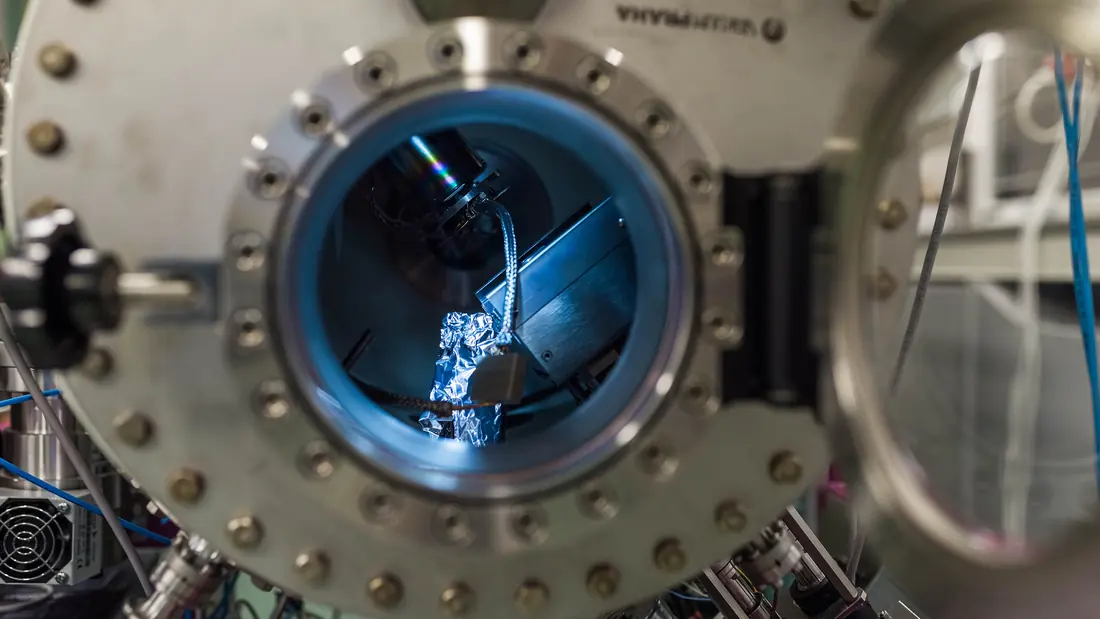
Red and green auroras may share electron-driven origins
With their mysterious glow and swirling veils of color, auroras enchant even experienced researchers. When a particularly intense solar storm reached Earth on the night of May 10, 2024, and relevant websites predicted auroras…
- Published
- (39 min ago)
- Outlet
- Phys.org
- Section
- Science
- Length here
- Headline and 34-word snippet. The full article is at the source.
More from Phys.org and around the same time
 A new way to navigate tough land and water use decisionsAn open-source software tool to help find a sweet spot between competing environmental and development demands has been launched by researchers at the University of Queensland.Boat burial reveals leprosy strain in fifth-century GermanyVisigothic and Vandal forces marched into Italy and conquered Rome; the Huns spread fear and terror on their campaigns through Western Europe; the Franks expanded their domain southward—the fifth century was an era of profound…Park users reveal 5 factors shaping acceptance of wildlife managementShould an area be fenced off, should animals be sterilized or relocated—or, as a last resort, selectively culled? As the long-running controversy over white-tailed deer in the Montreal suburb of Longueuil's Michel-Chartrand Park…An asteroid's shape influences where a nuclear blast must be aimed to deflect itIf a dangerous asteroid were headed toward Earth, one defense could be a nuclear detonation to blast one side with X-rays and nudge it off course. But new simulations suggest that for a lumpy, irregular asteroid, exactly where…New survey measures make double consciousness testable in studies of Black AmericansW.E.B. Du Bois' standing as a distinguished social scientist, with a distinguished body of work, has been subjected to the same marginalizing forces he examined in his pioneering scholarship on race, culture and Black social…A type of Arctic Ocean bacteria may be using acetone to turn carbon into foodA newly identified Arctic Ocean bacterium may have an unusual way of making the building blocks it needs to grow. Using acetone, a common chemical in seawater, the bacteria incorporate carbon dioxide (CO₂) into their metabolisms…
This page holds the headline and a short snippet as published by Phys.org, whose feed they came from. The story itself, the photography and the rights stay with them, and the button above goes straight to their site. We keep this page so the headline has a stable address and a record of when it ran.