Science
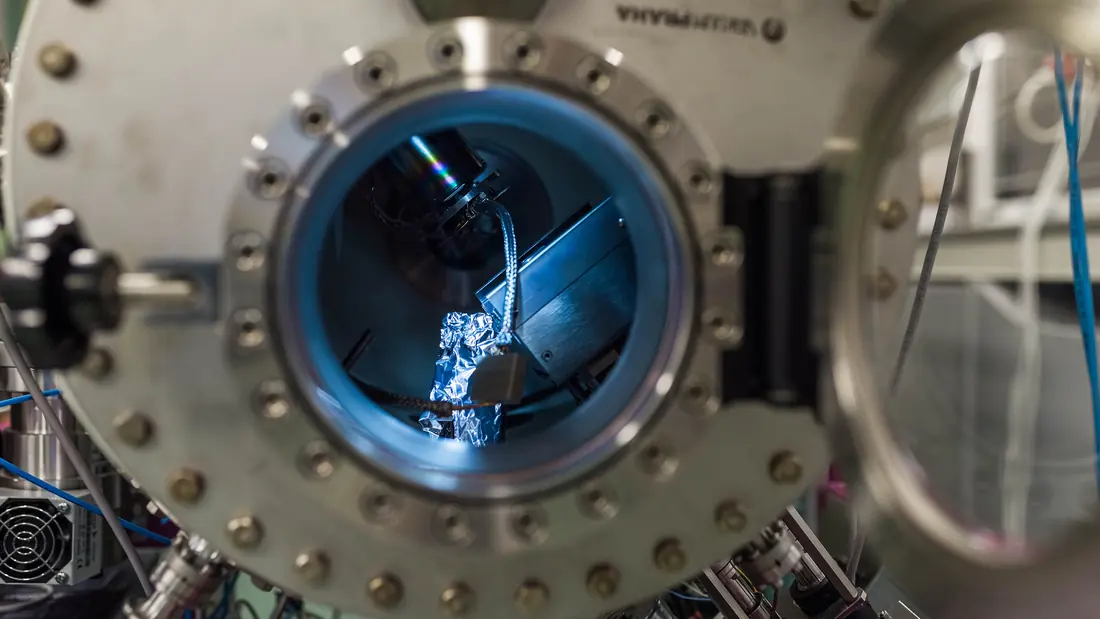
When simulations fall short, this spectrometer learns for itself
An NMR spectrometer can reveal molecular structure down to the atomic level, but weak signals limit what it can see. Now, Aarhus University researchers have used AI to let the spectrometer learn the best pulse sequence directly…
- Published
- (53 min ago)
- Outlet
- Phys.org
- Section
- Science
- Length here
- Headline and 37-word snippet. The full article is at the source.
More from Phys.org and around the same time
 Yeast paired with electricity can convert CO₂ into a chemical used in biodegradable plasticsTo limit further climate change, researchers are exploring technologies that can convert atmospheric carbon dioxide (CO₂) into useful products. In collaboration with BOKU University in Vienna (Austria), researchers at the…Elementary school homework could be reinforcing educational inequality, study suggestsHomework set by elementary schools could be reinforcing educational inequalities by rewarding families who have more time and resources to spend helping their children, new research from the University of Manchester suggests.Islands harbor nearly 20% of Earth's biodiversity, yet remain overlooked in conservation strategiesAlthough they account for just 7% of the Earth's land surface, island ecosystems harbor almost 20% of the world's biodiversity. From sea-level rise to biological invasions, islands are facing multiple pressures associated with…How evolutionary biology became an unwilling ally of the manosphereFrom steroid use to "bone smashing", the "looksmaxxing" movement is only the latest example of the manosphere's toxic hold on young people.The hydrogen atom: The raw material of the universe barely exists on Earth—now we've made it in a flaskWhat do you see when you look up at the night sky? While everyone may have a different answer, the truth is that almost everything out there is hydrogen. The first element in the periodic table is by far the most abundant…Discovering Vasari beyond the pageMost students of Renaissance art encounter Giorgio Vasari through a book. His Lives of the Most Excellent Painters, Sculptors, and Architects, first published in 1550 and expanded in a second edition in 1568, is often considered…
This page holds the headline and a short snippet as published by Phys.org, whose feed they came from. The story itself, the photography and the rights stay with them, and the button above goes straight to their site. We keep this page so the headline has a stable address and a record of when it ran.