Science
Wild animals can now GPS-collar themselves for research
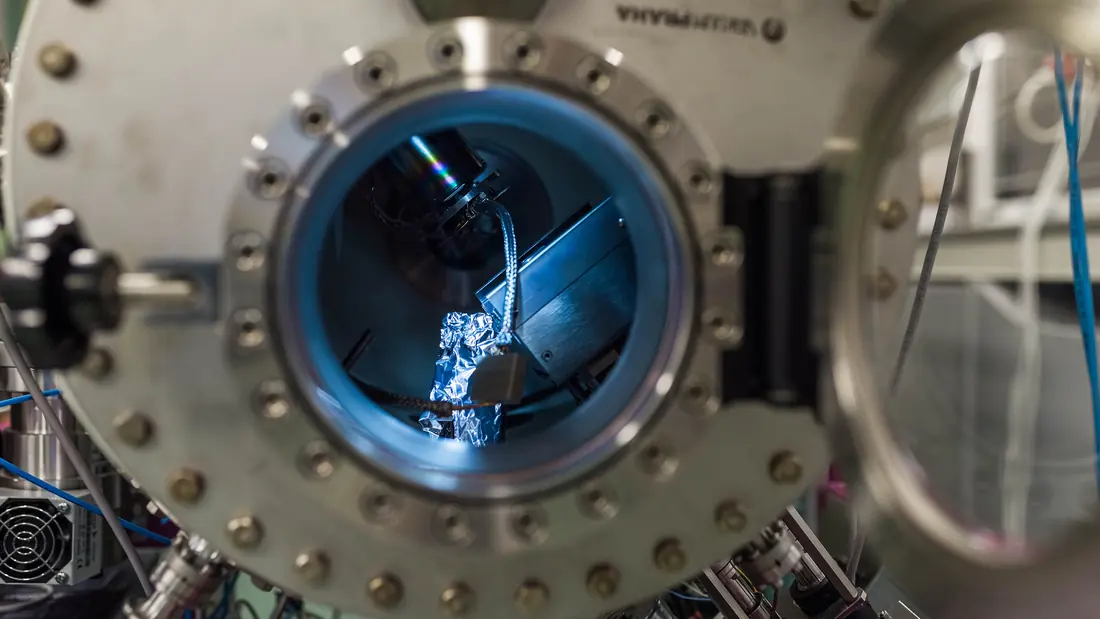
For six decades, wildlife researchers have faced a persistent challenge: to attach a tracking device to study a wild animal, they first have to catch it. Now, a new approach developed at the Norwegian University of Life Sciences…
- Published
- (7 h ago)
- Outlet
- Phys.org
- Section
- Science
- Length here
- Headline and 38-word snippet. The full article is at the source.
More from Phys.org and around the same time
 Feejee Mermaid on display in Colorado may shock and intrigue—but no longer considered a 'missing link'Mermaids have inhabited world folklore and mythology for centuries. Ancient Babylonians worshiped Oannes, a human-fish hybrid; sirens populated Greek mythology; and fairy tales such as "The Little Mermaid" have made this figure a…Cosmic hydrogen measurement marks breakthrough in mapping the universeAn international research project is bringing scientists closer to mapping the universe. The MeerKLASS Collaboration has reported its first measurement of the large-scale clustering of cosmic hydrogen, advancing a technique that…Corporate green reports: Do independent checks really help companies deliver measurable action?The European Union's Omnibus reform has exempted most of the companies it once covered from mandatory sustainability reporting under the Corporate Sustainability Reporting Directive (CSRD). It has also dropped plans for tougher…Traditional Korean paper becomes breathable patch for future wearable health careWearable health-monitoring devices are becoming increasingly important for personalized health care, but conventional patches often rely on substrates that restrict airflow, trap sweat and cause skin discomfort during prolonged…NOAA, NASA release measurements of 2026 ozone holeAtypical weather conditions caused the Antarctic ozone hole to grow to an unusually large size in 2026, NOAA and NASA scientists reported today, though they said the protective ozone layer is still on track to recover by later…Molecular choreography: How the p97 protein regulates cellular quality controlThe p97 protein plays a central role in cellular quality control by preparing defective or no-longer-needed proteins for degradation and recycling. Researchers at the University of Münster, in collaboration with the University of…
This page holds the headline and a short snippet as published by Phys.org, whose feed they came from. The story itself, the photography and the rights stay with them, and the button above goes straight to their site. We keep this page so the headline has a stable address and a record of when it ran.